How to Boost NAD+ Levels After 40: 11 Science-Backed Ways
Disclosure: This article contains affiliate links. We may earn a commission at no extra cost to you. Informational content only — not medical advice.
Why NAD+ Matters More After 40
NAD+ (nicotinamide adenine dinucleotide) is a molecule found in every living cell. It fuels the mitochondria that convert food into energy and activates sirtuins, proteins linked to longevity. Research shows NAD+ levels can fall to roughly half of youthful levels by age 40–50 — a decline that parallels the fatigue and slower recovery many adults experience.
11 Proven Ways to Raise NAD+
1. Niacinamide (Vitamin B3)
The most direct nutritional NAD+ precursor. It converts efficiently into NAD+ without the “flush” of plain niacin.
2. D-Ribose
Supplies the structural backbone for ATP, complementing NAD+ support.
3. Resveratrol (Itadori Extract)
Activates sirtuins, which work best when NAD+ is abundant.
4. Exercise
Both aerobic and resistance training raise NAD+ and trigger new mitochondria.
5. Time-Restricted Eating
Fasting windows (e.g., 12–16 hours) activate NAD+-dependent pathways.
6. Quality Sleep
NAD+ follows a circadian rhythm; poor sleep disrupts its production.
7. PQQ & CoQ10
Support mitochondrial efficiency alongside NAD+.
8. Limit Alcohol
Alcohol metabolism consumes large amounts of NAD+.
9. Sunlight Exposure
Morning light supports circadian NAD+ cycles.
10. Cold Exposure
Emerging research links cold therapy to increased mitochondrial activity.
11. A Complete Mitochondrial Formula
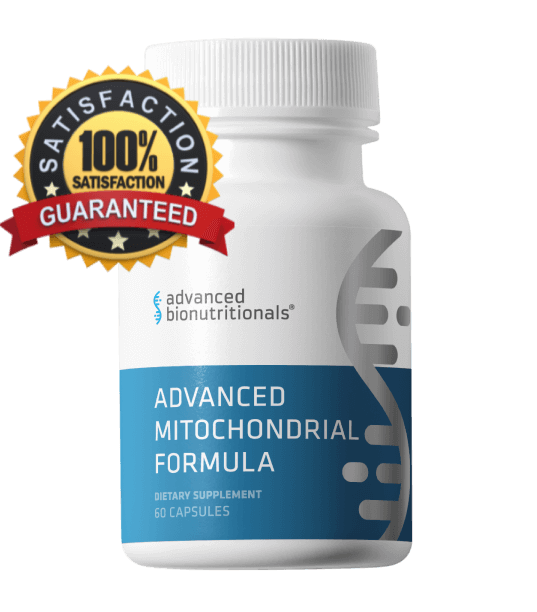
Combining precursors (niacinamide + D-ribose + polyphenols) in one formula is the most practical daily approach. See the 11-nutrient formula we review here.
How Long Until You Feel It?
Nutritional NAD+ support typically shows subjective effects in 2–3 weeks, with fuller benefits over 90 days of consistency.
FAQ
What is the fastest way to boost NAD+ levels?
Taking niacinamide, exercising, practicing time-restricted eating, sleeping well, and consuming polyphenols like resveratrol.
At what age does NAD+ start to decline?
NAD+ begins declining in adulthood and can drop to roughly half of youthful levels by age 40–50.
Can NAD+ levels be tested?
Yes, through specialized labs, though most people track energy, recovery and sleep quality instead.
Is boosting NAD+ safe?
Nutritional approaches like B3 vitamins and lifestyle changes are considered safe for healthy adults; consult your doctor if you take medication.
👉 Read Our Full Advanced Mitochondrial Formula Review
These statements have not been evaluated by the FDA. This product is not intended to diagnose, treat, cure, or prevent any disease.