Why Am I Always Tired? 12 Real Causes of Fatigue (And Fixes)
Disclosure: This article contains affiliate links. If you purchase through them, we may earn a commission at no extra cost to you. This content is for informational purposes only and is not medical advice.
By the Younger Reverse Aging Editorial Team • Updated August 2026
When Fatigue Is More Than “Just Being Tired”
Fatigue that lasts more than 2 weeks despite adequate sleep deserves attention. It’s your body’s way of saying something isn’t working at the cellular level. The good news: most causes are fixable with the right approach.
12 Common Causes of Constant Fatigue
1. Mitochondrial Dysfunction (The #1 Overlooked Cause)
Your mitochondria are the tiny power plants inside every cell that produce ATP (energy). When they become inefficient with age — partly due to falling NAD+ levels — you feel exhausted even after a full night’s sleep. This is why coffee “stops working” and why you drag by 3pm every day.
2. Sleep Quality (Not Just Quantity)
You might sleep 8 hours but spend too little time in deep sleep and REM. Factors like blue light exposure, caffeine after 2pm, alcohol, and stress fragment your sleep cycles.
3. Dehydration
Even 2% dehydration measurably reduces energy and cognitive function. Most adults are chronically mildly dehydrated.
4. Iron Deficiency
Iron is essential for oxygen transport. Low iron = less oxygen to your cells = constant exhaustion. Very common in women of reproductive age.
5. Vitamin B12 Deficiency
B12 is critical for red blood cell production and nerve function. Deficiency causes deep fatigue and brain fog. Common in vegetarians, vegans, and people over 50.
6. Thyroid Imbalance
Hypothyroidism (underactive thyroid) causes profound fatigue, weight gain, and cold intolerance. Often missed by basic TSH tests.
7. Blood Sugar Swings
Refined carbs and sugar cause energy spikes followed by crashes. The 3pm slump is often a blood sugar crash, not lack of sleep.
8. Sedentary Lifestyle
Paradoxically, moving less makes you more tired. Your body adapts to low activity by producing less energy.
9. Chronic Stress & Burnout
Prolonged stress keeps cortisol elevated, which disrupts sleep, drains ATP production, and eventually leads to adrenal fatigue.
10. Caffeine Overload
Too much caffeine (especially after 2pm) disrupts deep sleep cycles. You become dependent on caffeine to function, creating a vicious cycle.
11. Alcohol Consumption
Alcohol metabolism consumes large amounts of NAD+ and fragments sleep architecture. Even moderate drinking can cause next-day fatigue.
12. Medications
Many common medications cause fatigue as a side effect: antihistamines, statins, blood pressure meds, antidepressants, and pain medications.
When to See a Doctor
- Unexplained weight loss or gain
- Shortness of breath
- Chest pain or palpitations
- Severe headaches
- Depression or suicidal thoughts
- Fatigue lasting more than 4 weeks despite lifestyle changes
The Comprehensive Approach to Fixing Fatigue
Most people have multiple contributing factors, not just one. A comprehensive approach includes:
- Test first: Basic blood work (CBC, thyroid, iron, B12, vitamin D)
- Fix sleep: Quality over quantity
- Support mitochondria: NAD+ precursors and cofactors
- Move daily: Even 10 minutes helps
- Manage stress: Daily practice is essential
- Hydrate properly: With electrolytes
🎁 FREE PDF: 7 Morning Habits That Drain Your Mitochondria
Get the free checklist + our honest review updates by email. No spam — unsubscribe anytime.
Frequently Asked Questions
Why am I tired even after 8 hours of sleep?
Usually because of sleep quality rather than duration, or cellular energy decline. Mitochondria and NAD+ levels matter more than hours in bed. You might be sleeping but not getting enough deep sleep and REM cycles.
What is the most overlooked cause of fatigue?
Mitochondrial dysfunction. When the cell’s power plants become inefficient with age, you feel tired even after resting. This is why coffee stops working and why you need mitochondrial support after 40.
Can a supplement fix fatigue?
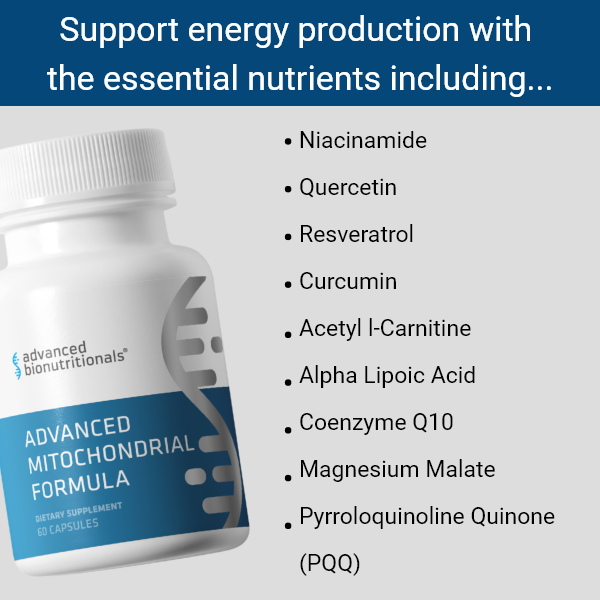
If fatigue stems from nutritional gaps or mitochondrial decline, targeted nutrients like B3, D-ribose, CoQ10 and PQQ can help significantly. Fatigue from medical conditions needs professional treatment.
How long does it take to fix chronic fatigue?
Depends on the cause. Lifestyle changes show results in 2-4 weeks. Mitochondrial support typically takes 2-3 weeks to notice energy improvements, with full effects over 90 days.
Should I take iron for fatigue?
Only if blood tests confirm deficiency. Too much iron is dangerous and can damage organs. Get tested (ferritin and hemoglobin) before supplementing.
👉 Try the Mitochondrial Formula That Targets the Root CauseThis article is for informational purposes only and is not medical advice. Consult your healthcare provider before starting any supplement regimen or if fatigue persists.